
Offal refers to the edible organs and non-muscle parts of a butchered animal, also called variety meats or organ meats. The word traces back to “off-fall,” the parts that fall away from the carcass during butchering. Hunters and traditional cultures ate the organs first and often reserved them for those who needed nourishment most.
Popular American cooking mostly abandoned offal in the last century, and it’s making a comeback for three primary reasons: organ meats carry more nutrition per calorie than any muscle cut, eating them uses more of each animal, and they’re delicious.
This guide covers the types of offal, a nutritional overview, potential downsides, and how to cook it.
Offal vs. organ meats vs. variety meats: are they the same?
Yes. Offal, organ meats, and variety meats are three names for the same category, and we use them interchangeably. The one nuance is that offal is slightly broader: it also covers non-organ trim like oxtail, feet, and tongue, which are muscle and connective tissue rather than organs.
Types of offal
These are the organ meats you’ll actually find for sale in the US.
Liver
The most nutrient-dense organ and typical starting point for offal eaters. Beef liver is rich and mineral-forward with a texture like firm custard when cooked well. Calf liver is milder and more tender. Duck livers are rich and prized in pâté.
Heart
Heart is a working muscle, so its texture is closer to lean steak with a slightly deeper flavor. Beef heart sliced and grilled is the basis of Peruvian anticuchos, one of the best street foods anywhere.
Kidney
Gamey, lean, and a bit metallic, the kidney is great in meat pies and does well in stews. Soak it in cold salted water first.
Tongue
The tongue is a strong muscle, which means it takes a few hours to braise but is absolutely worth it. After peeling and slicing, it’s fatty, rich, and tender. If you’ve had a good lengua taco, you already like tongue.
Sweetbreads
Sweetbreads is the culinary term for the thymus or pancreas, and it’s the offal most likely to appear on a fine-dining menu. Creamy inside, crisp outside when seared or fried, and a delicious flavor.
Tripe
Tripe is the lining of the stomach, mild in flavor and prized for its unique texture. It’s used in menudo in Mexico and Trippa Alla Romana in Italy. Best cooked in a long, slow simmer.
Bone marrow
Bone marrow is the soft interior of leg bones. It’s best roasted and spread on toast or melted into broth. Marrow is unbelievably rich, silky, and more accessible than most on this list. Good sourdough bread is a must-try with marrow.
Brain
Brain is soft with a mild flavor, and it’s usually breaded and fried or scrambled with eggs. It’s a delicacy across much of the world but rare to find in the States.
Oxtail
The tail, cross-cut into rounds of meat, bone, and connective tissue, has incredible flavor and texture. Braised low and slow, it produces some of the richest gravy possible. Give Jamaican oxtail stew a shot and thank me later.
Chicken gizzards
Chickens use gizzards to grind down the food they eat. The meat is dark and gamey, but after a few hours in a simmer, you will be all set.
A worldwide tradition that America is returning to
Parts of American society never left offal behind. Chitlins, livermush, and giblet gravy are all proof of this, but we’re happy to see offal returning to the zeitgeist.
Offal is delicious and healthy, and the rest of the world knows it: Argentina’s parrilladas put whole spreads of grilled organs at the center of the table, France built foie gras into a luxury export, Mexico turns tripe into menudo and tongue into lengua tacos, Germany makes liver into dumplings, and Peru marinates heart into anticuchos sold on every street corner.
Organ meat nutrition: why offal is so nutrient-dense
Organs do the metabolic work of the animal, so they store and process nutrients at higher concentrations than muscle. Here’s how cooked beef liver and beef kidney compare with a grilled strip steak, per 100g, using USDA FoodData Central figures [*][*][*].
| Nutrient | Beef liver | Beef kidney | Strip steak |
| Calories | 162 | 158 | 211 |
| Protein | 24.7g | 27.3g | 29.2g |
| Vitamin B12 | 60mcg (2,500% DV) | 24.9mcg (1,038% DV) | 4.4mcg (183% DV) |
| Vitamin A | 8,020mcg (891% DV) | 0mcg | 1mcg |
| Iron | 5.6mg (31% DV) | 5.8mg (32% DV) | 3.4mg (19% DV) |
| Folate | 215mcg (54% DV) | 83mcg (21% DV) | 7mcg (2% DV) |
| Copper | 12.2mg (1,356% DV) | 0.56mg (62% DV) | 0.09mg (10% DV) |
| Selenium | 30.7mcg (56% DV) | 168mcg (305% DV) | 26.4mcg (48% DV) |
The steak is equal in protein but little else. Liver is superior in vitamin A, B12, folate, and copper. Kidney has triple your daily selenium and five times steak’s B12 at fewer calories. Plus different organs offer different nutrients, which is a good excuse to rotate through different cuts.
Health benefits of organ meats
Here are a few other benefits of organ meats.
1. Nutrient density muscle meat can’t match
A single serving of liver exceeds a full day’s vitamin A, B12, riboflavin, and copper [*]. B12 supports red blood cell formation and neurological function [*], and no supplement stack offers a full panel as cheaply as organs do.
2. Highly absorbable heme iron
Beef liver and kidney each carry about a third of your daily iron per 100g in heme form [*][*]. Iron is among the most common shortfall nutrients in the American diet, and offal is one of the densest food sources of it.
3. Complete, efficient protein
Organ meats supply all nine essential amino acids at protein-to-calorie ratios that rival lean muscle cuts [*]. Kidney has 27g of protein in a modest 158-calorie serving [*].
4. A concentrated source of CoQ10
Heart tissue is among the richest food sources of CoQ10, a compound your cells use in energy production [*]. It’s also a natural antioxidant.
5. A lower-waste way to eat meat
Organs exist in every animal raised for food, and skipping them means discarding some of the most nutritious parts. Eating nose to tail gets more food from each animal, and offal remains cheaper per pound than steaks.
Potential downsides of organ meats
Organ meats are fantastic in moderation, but here are a few caveats worth mentioning:
1. Vitamin A and pregnancy
Liver’s vitamin A is preformed retinol, which the body stores, and sustained high intakes can reach harmful levels [*]. Excess retinol during pregnancy is associated with birth defects, so pregnant women should talk with their doctor before eating liver and will likely be advised to keep portions small or skip it. This applies to the liver specifically; heart, tongue, and tripe carry little vitamin A.
2. Gout and purines
Organ meats are high in purines, which break down into uric acid. If you have gout or elevated uric acid, you should likely avoid offal and discuss eating it with your doctor.
3. Cholesterol
Most offal is high in cholesterol, with kidney among the highest of any food [*]. For most healthy people, dietary cholesterol matters less to blood cholesterol than fat type does [*], but anyone managing a cardiovascular condition should check with their doctor first.
4. Faster spoilage
Organs spoil faster than muscle cuts. Buy from a source you trust, keep it frozen or cook it within a day or two of thawing, and don’t push it.
Grass-fed and grass-finished: why the source of your offal matters
Organs filter, process, and store what passes through an animal, so the animal’s diet can show up in offal more directly than in muscle meat. That cuts both ways. It’s why well-raised organs are so nutritious, and it’s why organs from an animal raised on formulated feed and routine pharmaceuticals are a different thing.
Grass-fed beef carries more CLA, more omega-3s, and a better omega-6 to omega-3 balance than grain-fed [*]. “Grass-fed” alone allows grain finishing in the final months, so look for 100% grass-fed and grass-finished for the best options.
Get 100% grass-fed and grass-finished offal from cows raised without antibiotics or added hormones, delivered to your door.
Whole organs vs. desiccated organ capsules
Organ supplements are freeze-dried, ground organ meat in capsule form, and they’re the main way to enjoy offal without cooking it. They’re convenient, have no flavor, and offer consistent dosing. If a capsule is the difference between some organ meat and none, take the capsule.
However, whole organs can cost a fraction of the equivalent dose in supplement form. Before you go for supplements, try a couple of recipes out.
Tips for cooking organ meats (so they actually taste good)
Most bad offal experiences are cooking failures, not ingredient failures. Here are tips for making offal delicious.
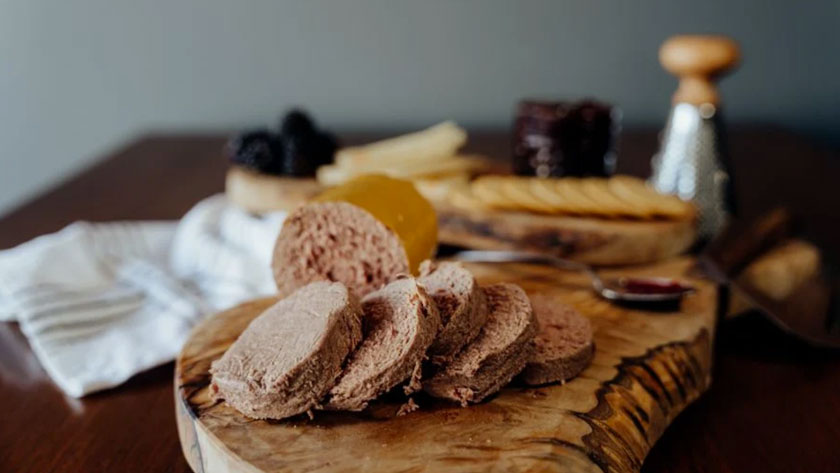
Start mild. You don’t have to go for tripe and livers off the bat. Heart is similar to steak, and liverwurst and braunschweiger are fully cooked blends that make organ meat a slice-and-eat food. Our organ sausages are a great example of this, and we’ve converted more than one skeptic with braunschweiger on crackers.
Soak offal in milk to reduce the metallic flavor. Try soaking livers, hearts, and kidneys in milk for 30 to 60 minutes before cooking to mellow their metallic flavor. You can also use buttermilk to tenderize them even more.
Blend organs into other meats. Grind or dice small amounts of liver or heart into ground beef for burgers, chili, meatballs, or bolognese. At about a 10-to-1 ratio, the flavor disappears and the nutrition doesn’t.
Try offal that benefits from braising. Tongue, oxtail, and tripe are so great for stews. Hours of braising turn all that connective tissue into gelatin, and this is a good way to try offal that doesn’t have as much of a metallic flavor.
Save your bones and trimmings for broth. Marrow bones, oxtail, and feet produce the most gelatin-rich stock you can make. Don’t throw them away!
Where to buy grass-fed and grass-finished organ meats
Supermarkets tend to carry liver, but you’ll need to speak to a butcher, go to an international market, or order in half/full cow to get more access to offal. It really depends on what is around you. Ideally, the producer is also selling grass-fed, grass-finished, pasture-raised, etc.
If you’d like to skip the sourcing search and go directly to a provider who partners with exceptional farmers who practice regenerative agriculture to deliver 100% grass-fed and grass-finished meat around the continental U.S., we’d love to show you why we love what we do so much.
See all of the incredible 100% grass-fed and grass-finished offal we have for sale.
Frequently asked questions
Here are a few common questions we get about offal:
What is offal?
The edible internal organs and non-muscle parts of a butchered animal: liver, heart, kidney, tongue, tripe, marrow, and more. It’s also called organ meats or variety meats.
Are offal and organ meats the same thing?
Yes, they’re synonyms. Offal is slightly broader because it includes non-organ parts like oxtail and feet.
What is the most nutritious organ meat?
Liver, by most measures. A 100g serving of beef liver exceeds a full day’s vitamin A, B12, riboflavin, and copper [*]. Kidney and heart specialize in different nutrients, which is a good reason to rotate.
Which organ meats are highest in iron?
Beef kidney and beef liver, at roughly a third of your daily value per 100g each, plus it’s in the heme form your body absorbs best [*][*]. Heart and tongue are good sources too.
Are organ meats good for you?
For most people, yes, eaten once or twice a week. The vitamin A in liver, purines, and cholesterol are reasons for moderation, not avoidance, but anyone pregnant or managing gout or a heart condition should talk to their doctor first.
How often should you eat organ meats?
Once or twice a week in 3 to 4oz servings is ideal. Organs lower in Vitamin A, like heart and tongue, can be eaten more often.
How do you cook organ meats so they taste good?
Hot and fast for liver and heart after soaking in milk, low and slow for tongue, oxtail, and tripe. You can also blend them into other meats to cut the metallic flavor.
What’s the difference between grass-fed and grass-finished organ meats?
Grass-fed describes the diet for part of the animal’s life and legally allows grain finishing. Grass-finished means grass all the way until the end of the animal’s life.
Where can you buy grass-fed organ meats?
A local butcher is one option, and we’d argue that U.S. Wellness can be the other. Our grass-fed and grass-finished offal collection can deliver everything we’ve talked about, right to your door.
The bottom line on offal
Offal is the most nutrient-dense food most Americans aren’t eating. Liver, kidney, and heart beat steak on nearly every micronutrient at fewer calories; the downsides are manageable with moderation, and every type on this list is genuinely good food with the right cooking method.
Pick up some offal and start your organ meat journey. You won’t regret it.
 Nathan Phelps
 owns and writes for Crafted Copy, a boutique copywriting shop that finds the perfect words for interesting products. He is also an ethical foodie, outdoors-aficionado, and hails from Nashville, TN. He splits his time between helping sustainable businesses find new customers and managing his ever-increasing list of hobbies, which include playing guitar, baking bread, and creating board games.
